Thumb_stad en kapitaal_0_1000px

The tale of two regions - A comparison between the metropolitan areas of south east England and the Randstad in Holland

1 september 2011

2 minuten

Onderzoek Metropolitan regions are becoming increasingly important as places to live, work, play and exchange information and culture. While these regions in many parts of the world are growing phenomenally, those in Europe face different challenges: how to retain a high quality of life while still promoting economic growth, how to modernize and regionalize their transportation systems, how to make the shift towards sustainable energy and food production and how to keep alive regional identity and local democracy in a rapidly globalizing world.

The polycentric Dutch Randstad and South East England, with London at its core, face remarkably similar challenges. These challenges and the potential solutions formed the basis of a collaboration between LSE Cities, PBL Netherlands Environmental Assessment Agency and the Dutch Ministry of Infrastructure and the Environment.

The study investigated how regional authorities in the Randstad and South East England can promote access to both jobs and open space for all income groups, how planners should respond to moderate economic growth or even decline and how metropolitan areas can become more viable and sustainable places to live and work. By presenting facts and figures on South East England and the Randstad and by positioning them in the context of analysis and explorative thinking about what makes cities strong, the publication seeks to inspire debate on the future of the regional metropolis.

The research suggests that regional narratives, namely tales about a region’s future, is vital for mobilizing action and creating metropolitan identities. Strategic plans to guide development over a medium-to-long term can be used as ways to visualize and discuss these narratives and provide a framework for local action.


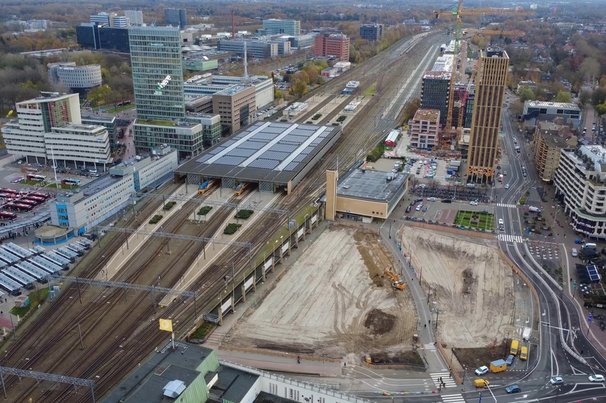
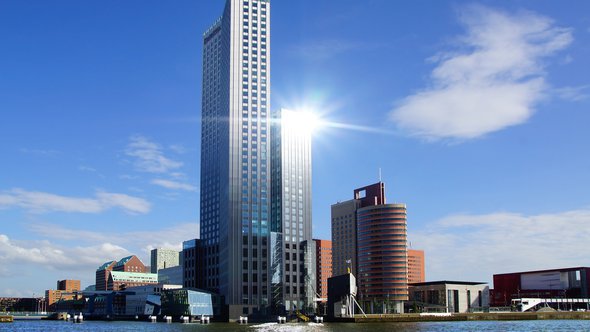
Cover: ‘Thumb_stad en kapitaal_0_1000px’


Meest recent

Verticale groene appartementen in Milaan door R.M. Nunes (bron: Shutterstock)

Stop met compenseren, begin met ontwerpen

BPD-Gebiedseconoom Jeroen de Jong wijst op een hardnekkige reflex in het vak van gebiedsontwikkeling. We ontwerpen eerst een plan, rekenen het rond, en gaan daarna op zoek naar manieren om de schade te beperken. Is dat de goede volgorde?

Opinie

22 mei 2026

Weekoverzicht donderdag 21 mei 2026 door Gebiedsontwikkeling.nu (bron: Gebiedsontwikkeling.nu)

Dit was de week van de leidraad

Deze week – waarin de SKG officieel 20 jaar bestond – ging het om datgene waar we ons handelen door laten leiden. Is dat het wenkend perspectief van een compleet nieuwe stad in de polder of helpt het erfgoed ons juist op de goede weg?

Weekoverzicht

21 mei 2026

Een man met ambitie door PeopleImages (bron: Shutterstock)

Een ode aan inefficiëntie in gebiedsontwikkeling

Bij de aanpak van complexe gebiedsontwikkelingen speelt het streven naar efficiëntie vaak een dominante rol. Maar leidt dat ook tot de beste resultaten? Edwin Greuter bepleit meer ruimte voor vertraging, omwegen en zelfs ogenschijnlijke verspilling.

Opinie

21 mei 2026

Uw gastbijdrage op GO.nu: Over gastbijdragen

Uw gastbijdrage op GO.nu

Wij staan open voor bijdragen uit wetenschap en praktijk. Wij moedigen auteurs aan hun kennis en ervaring te delen.

Over gastbijdragen
Uw project toevoegen: Ga naar de GO-Projectenkaart

Uw project toevoegen

Wilt u graag een gebiedsontwikkeling toevoegen aan de GO-projectenkaart? Vul dan via onderstaande link het formulier in.

Ga naar de GO-Projectenkaart
Uw organisatie bij de SKG: Ga naar de SKG-website

Uw organisatie bij de SKG

Uw organisatie aansluiten op het netwerk van de Stichting Kennis Gebiedsontwikkeling? Neem dan contact op.

Ga naar de SKG-website
Uw bijeenkomst in de agenda: Neem contact op

Uw bijeenkomst in de agenda

U kunt uw gebiedsontwikkeling-gerelateerde evenement aankondigen via onze agenda door contact op te nemen met de redactie.

Neem contact op